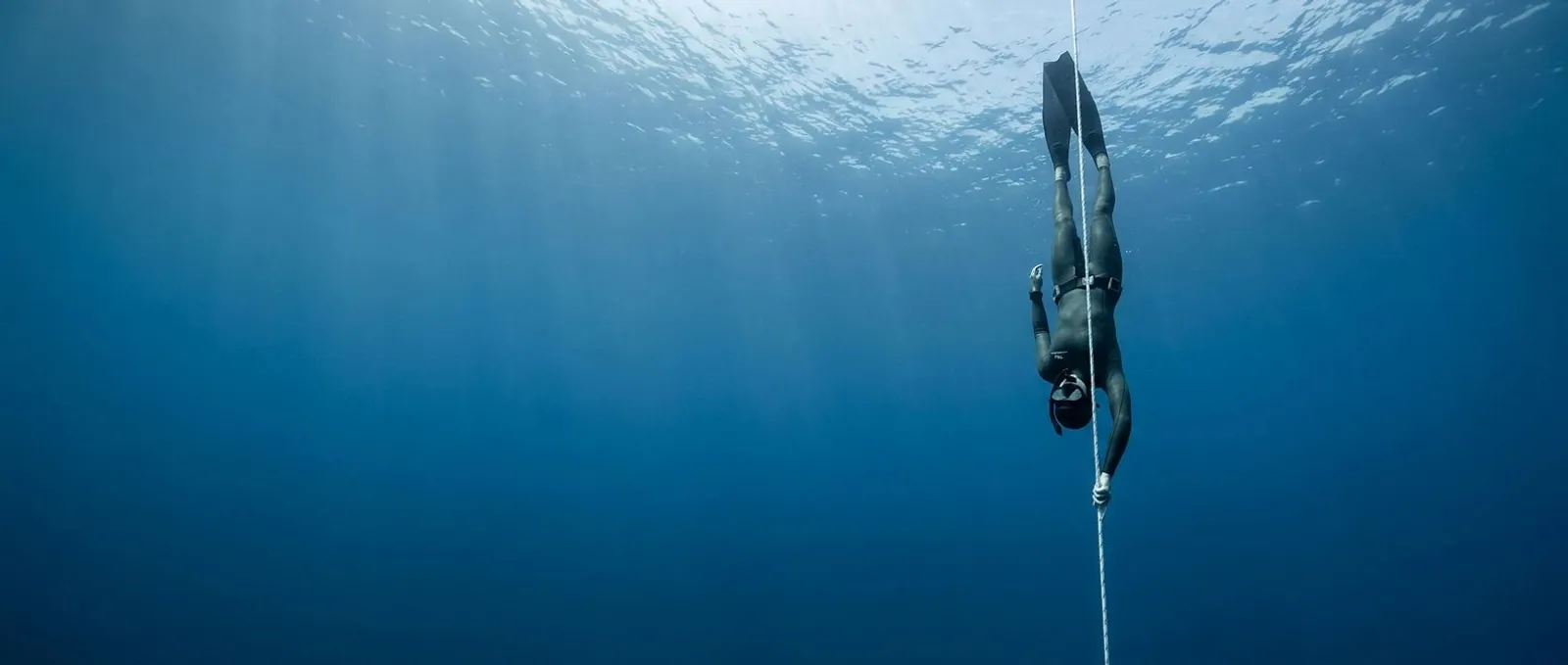
Learn to freedive
Lessons
A growing, safety-first freediving curriculum, the basics, techniques, safety, and the AIDA path.
Basics

What Is Freediving?
Discover the calm, breath-hold sport of exploring the underwater world on a single breath, and what makes it so different from scuba.

The Mammalian Dive Reflex
Your body has a built-in set of responses that helps you adapt to being underwater. Learn what the dive reflex does and how to trigger it.
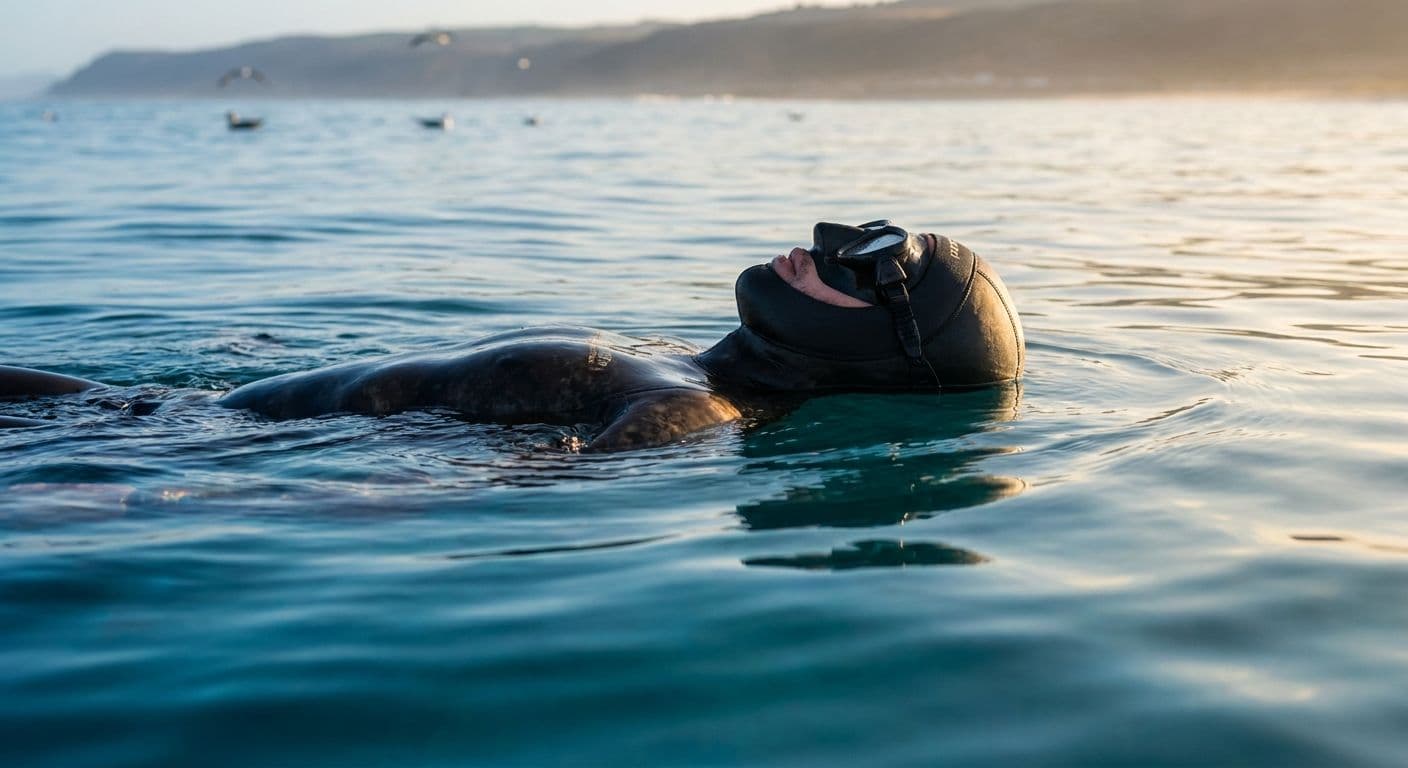
Diaphragmatic Breathing Basics
Breathing well is the foundation of freediving. Learn to use your diaphragm for slow, full, relaxed breaths that calm the body.

Relaxation and Mental Preparation
A calm mind is your greatest asset underwater. Learn practical ways to relax your body and quiet your thoughts before a dive.

The Freediving Disciplines Explained
From static breath-holds to deep dives along a rope, freediving has many forms. Learn the main disciplines and where beginners start.
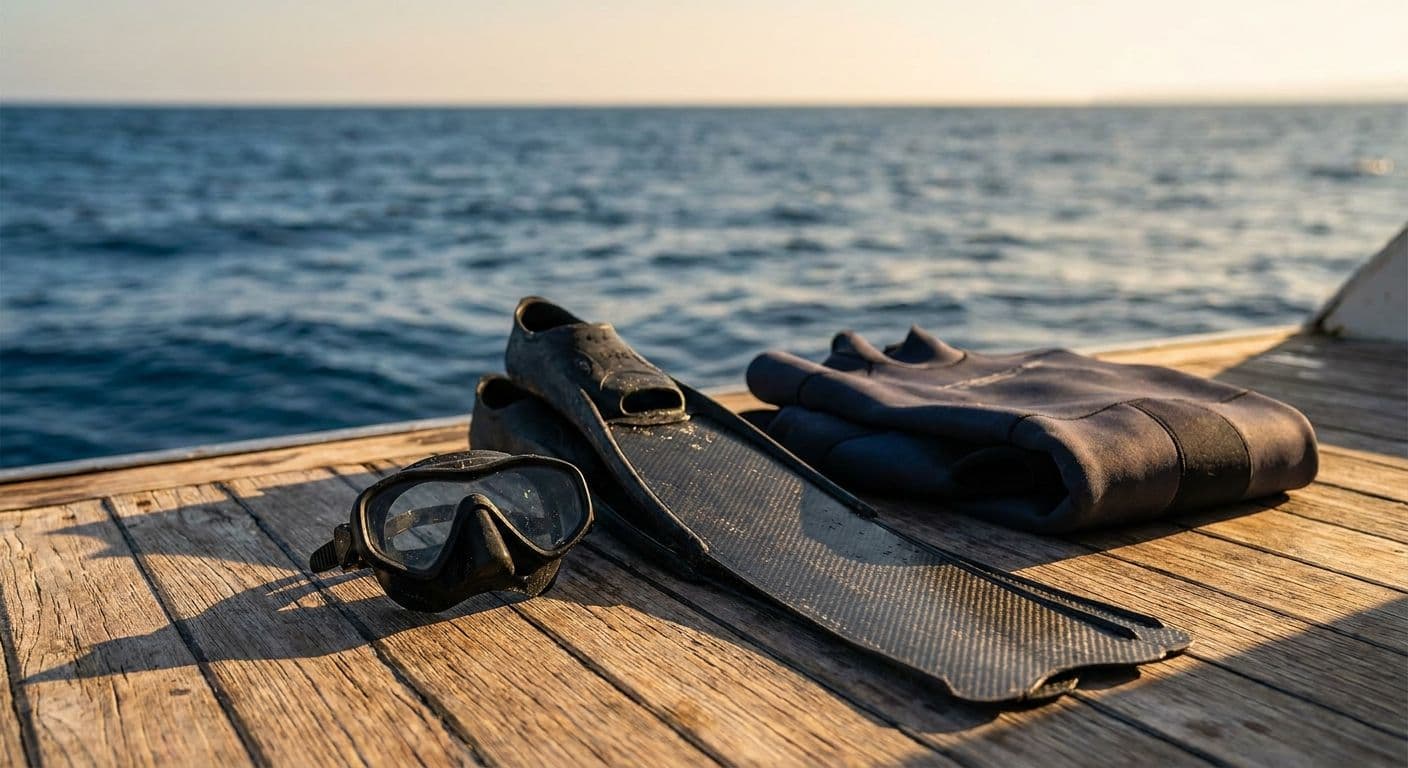
Essential Freediving Gear for Beginners
You don't need much to start freediving, but the right basics make a big difference. Here's what to look for in mask, fins, and more.
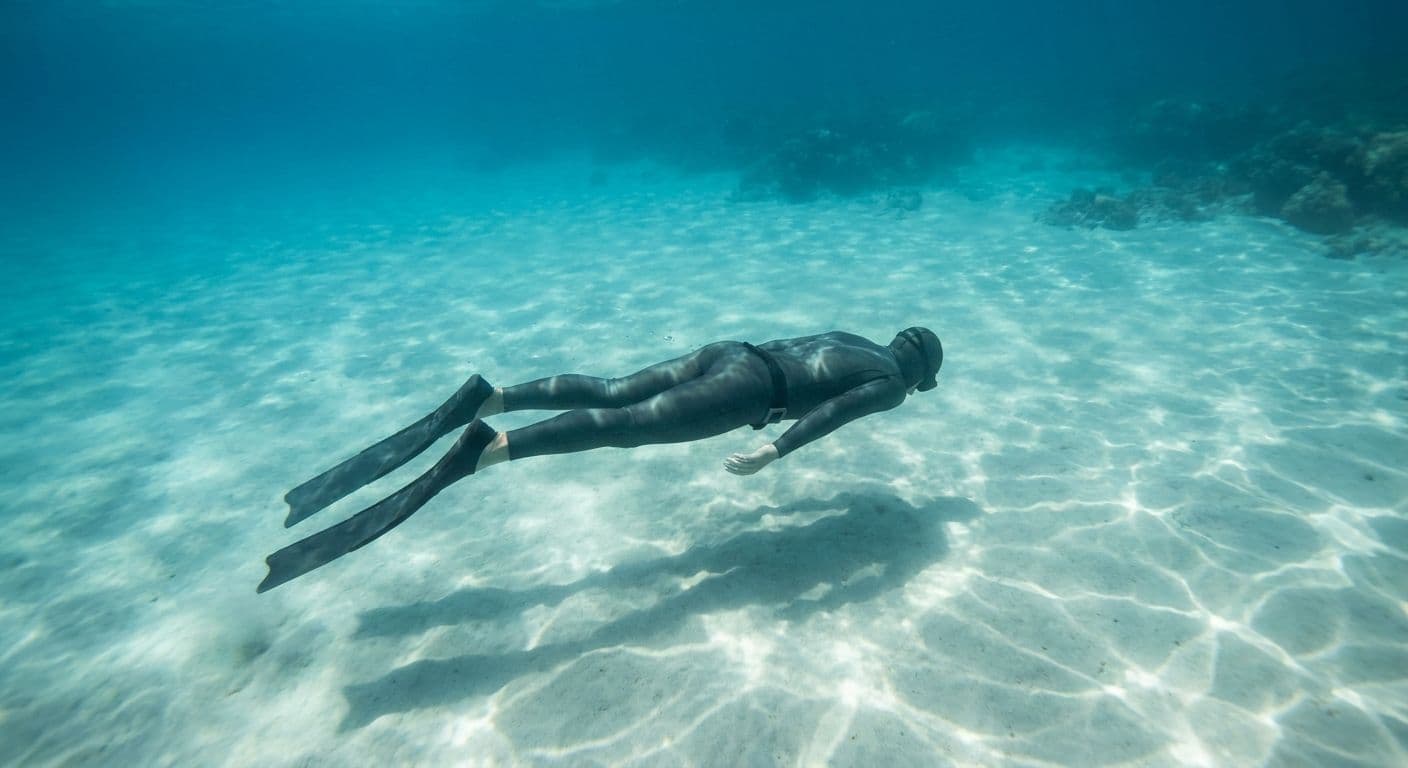
Your First Static Breath-Hold
Static apnea is the calmest way to build breath-hold comfort. Learn how to approach your first holds safely and without strain.
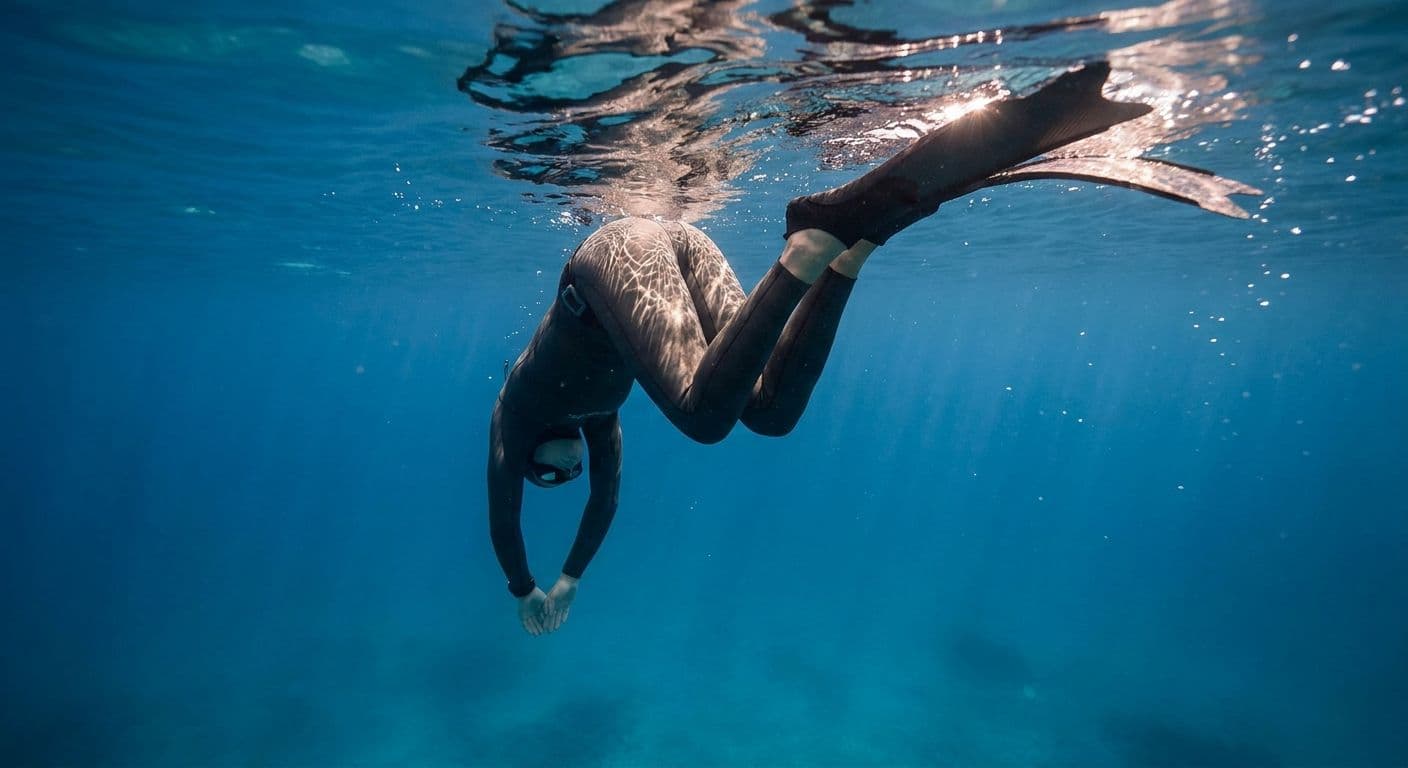
Duck Dive and Finning Fundamentals
A clean duck dive and efficient finning save oxygen and energy. Learn the technique that gets you underwater smoothly and gracefully.

How Pressure Affects Your Body
As you descend, water pressure squeezes the air spaces in your body. Understand what happens and why equalization keeps you safe.

Nutrition, Hydration and Lifestyle for Freedivers
What you eat, drink, and how you live shapes how you feel in the water. Simple habits that support relaxed, healthy freediving.
Techniques
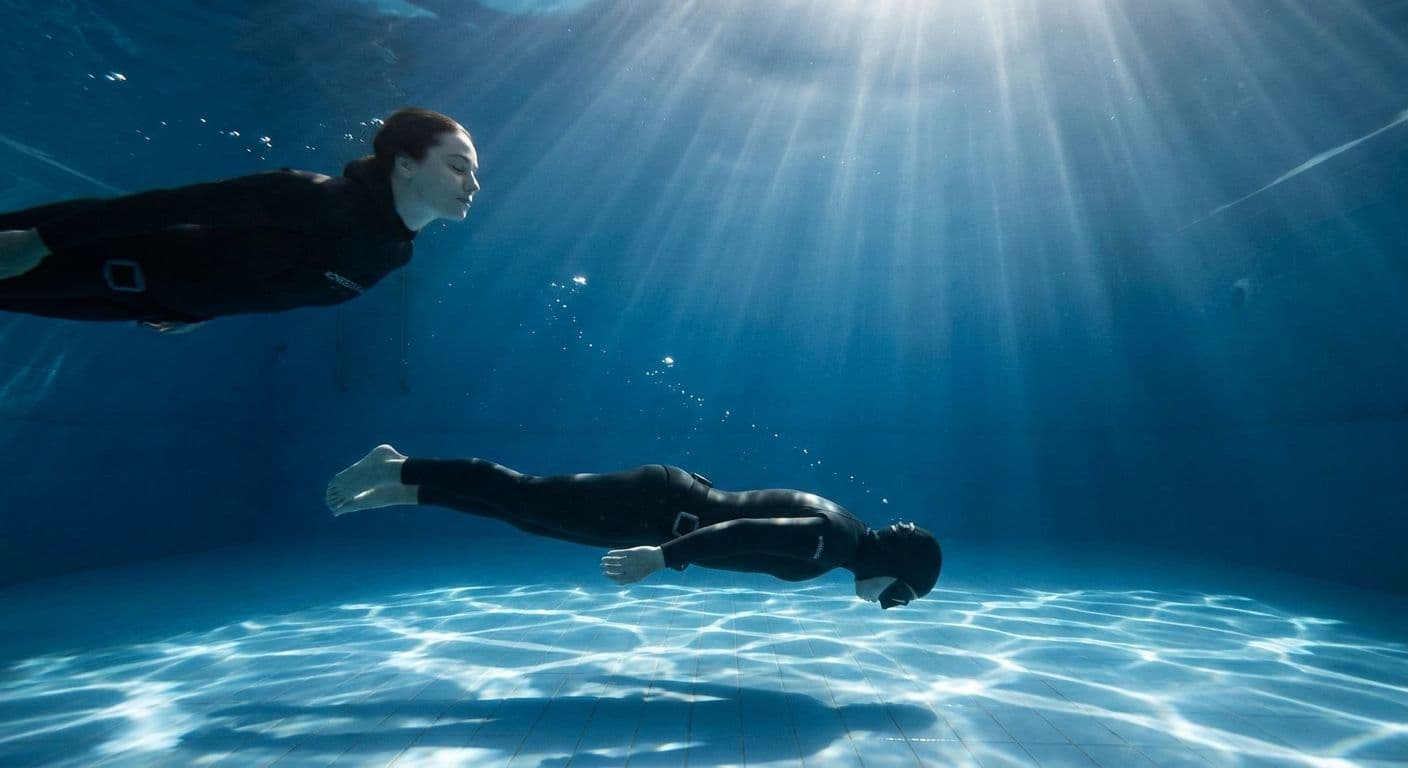
CO2 vs O2 Training Tables: What Each One Actually Trains
Two staple dry-training tools, two very different jobs. Learn what CO2 and O2 tables train, how their rest patterns differ, and when to reach for each.
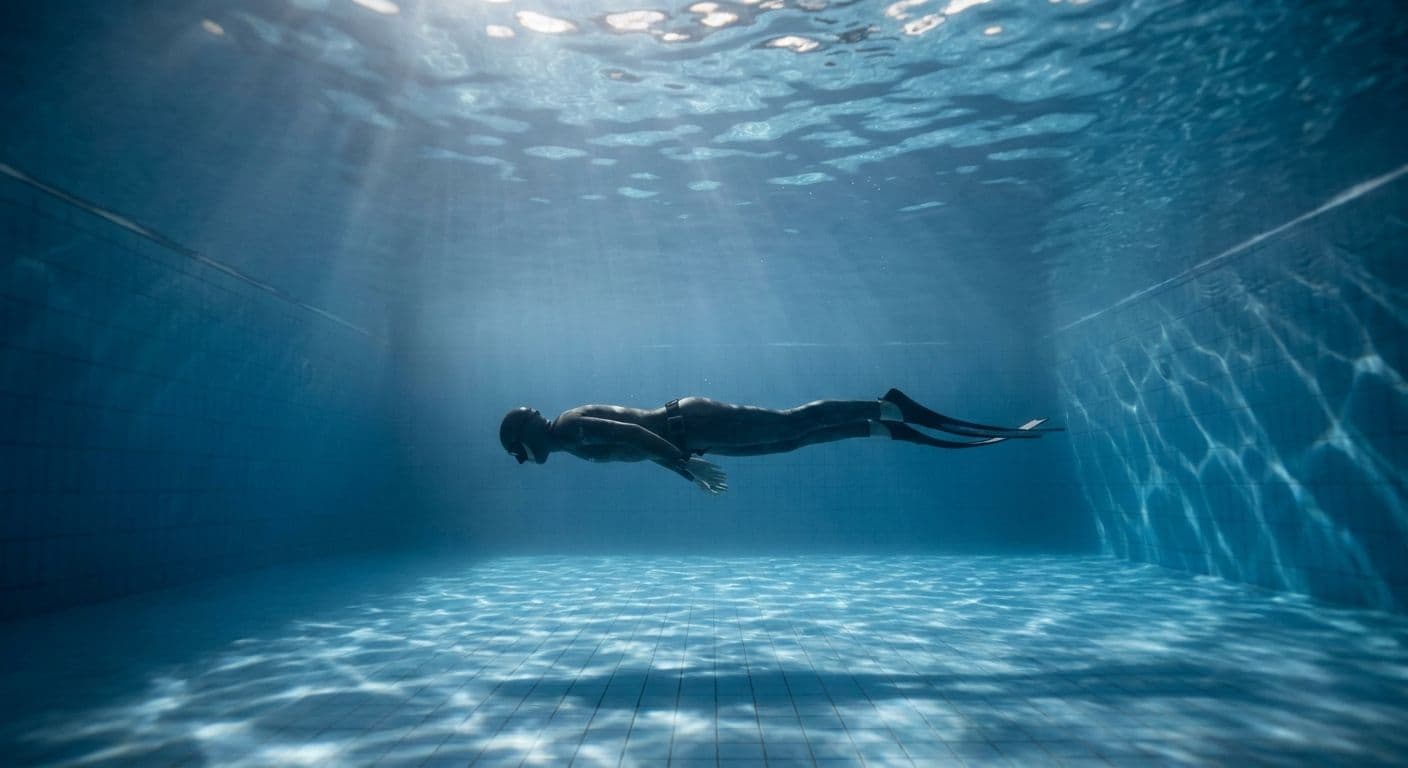
Building CO2 Tolerance Without Burning Out
The urge to breathe is mostly about carbon dioxide, not oxygen. Train your tolerance to it patiently and your holds become calmer, longer, and far more controlled.
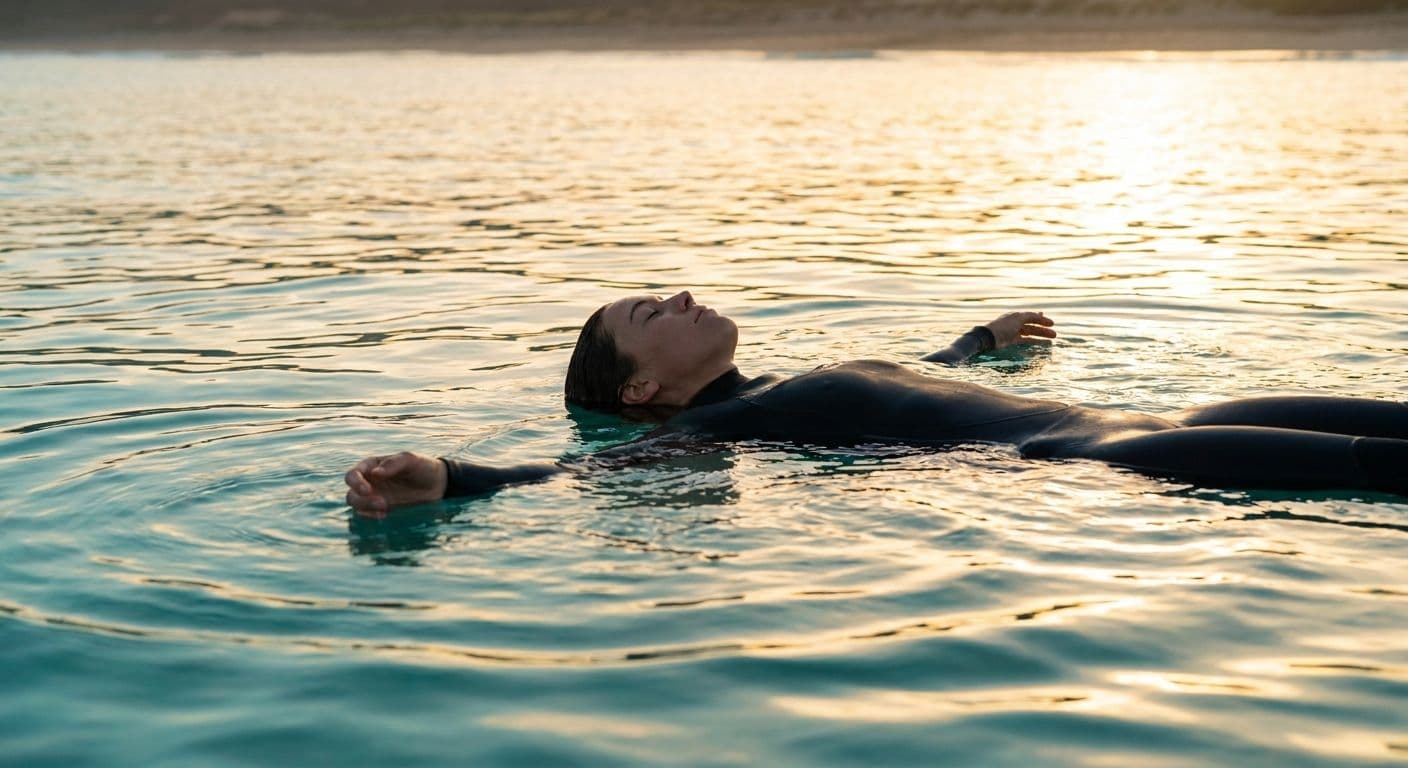
Improving O2 Efficiency: Doing More With Less Oxygen
Longer holds are not only about a bigger lung breath. They come from spending the oxygen you have more wisely through relaxation, conditioning, and smart technique.

Frenzel Equalization, Step by Step
Frenzel is the equalization method that unlocks depth. Learn to isolate your tongue and throat to push air into your ears hands-free, no lungs required.
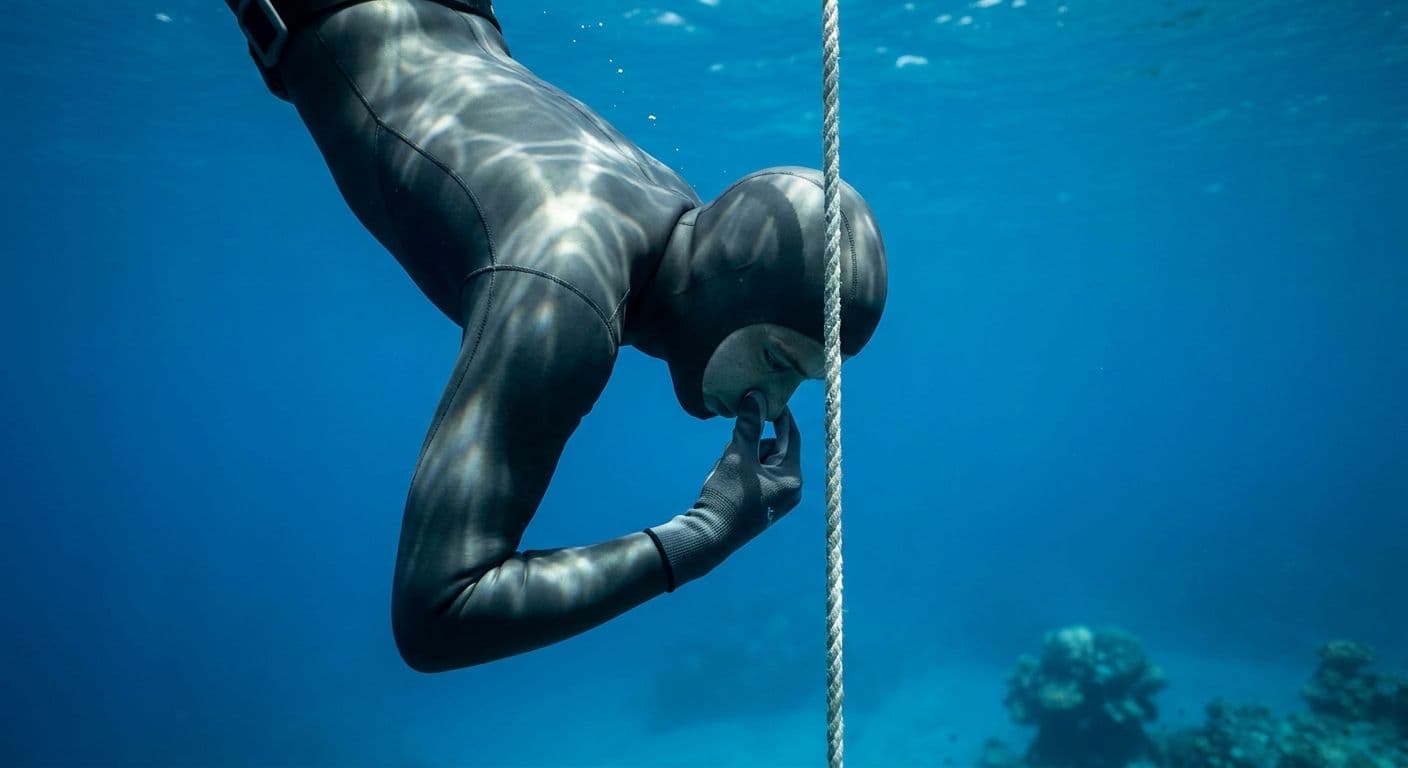
Valsalva vs Frenzel: Which to Use and Why
Most people start equalizing with Valsalva by instinct. Here is why freedivers move to Frenzel, and what each method does and does not do for you.

The Mouthfill Technique for Deep Equalization
Beyond a certain depth even Frenzel runs out of air. The mouthfill stores a reserve of air in your mouth so you can keep equalizing as your lungs compress.
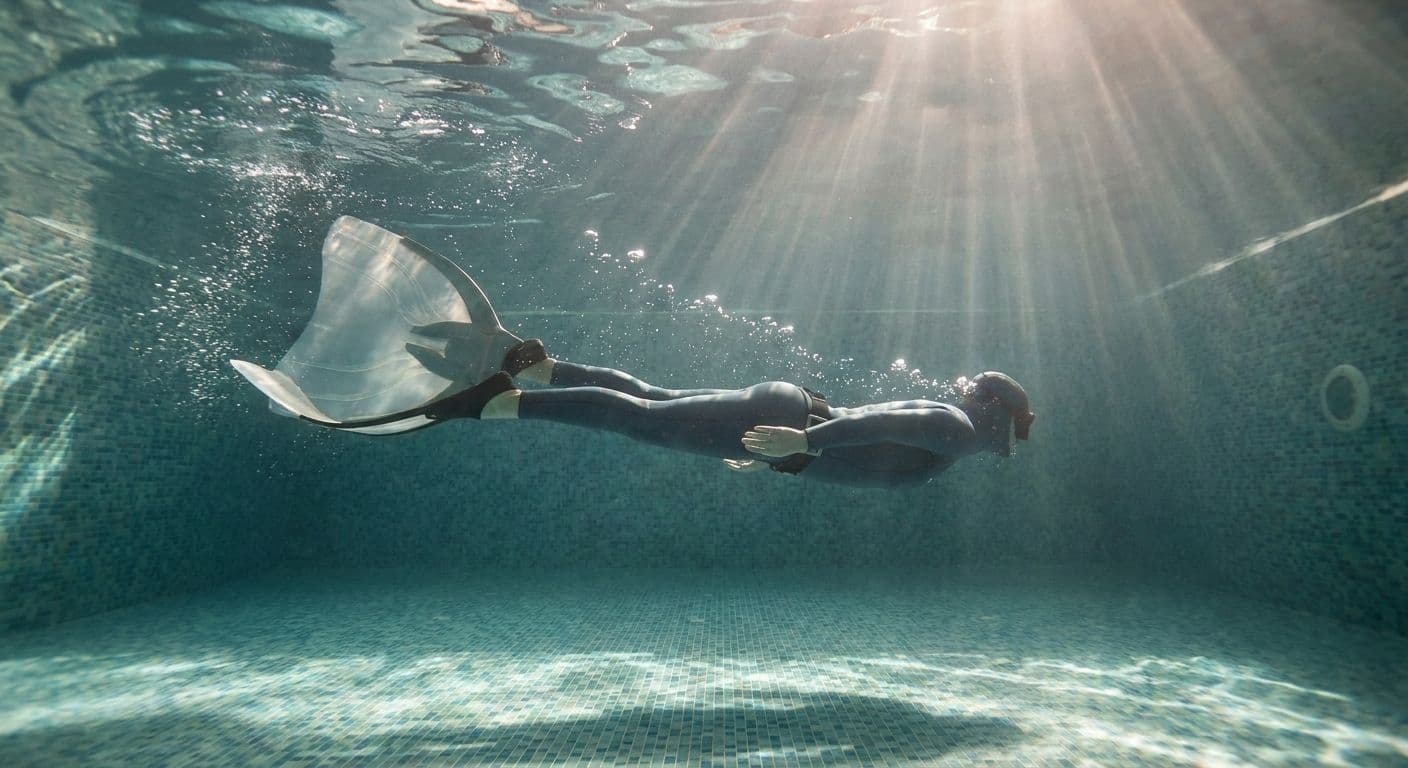
Dynamic Apnea Technique: DYN and DNF Fundamentals
Horizontal distance on a single breath is a study in efficiency. Learn the glide, the kick, and the streamlining that separate DYN with fins from DNF without them.

Constant Weight (CWT): Technique for the Vertical Dive
Constant weight is the signature depth discipline: down and back on your own power. Master the duck dive, the freefall, and a clean turn to dive deeper safely.
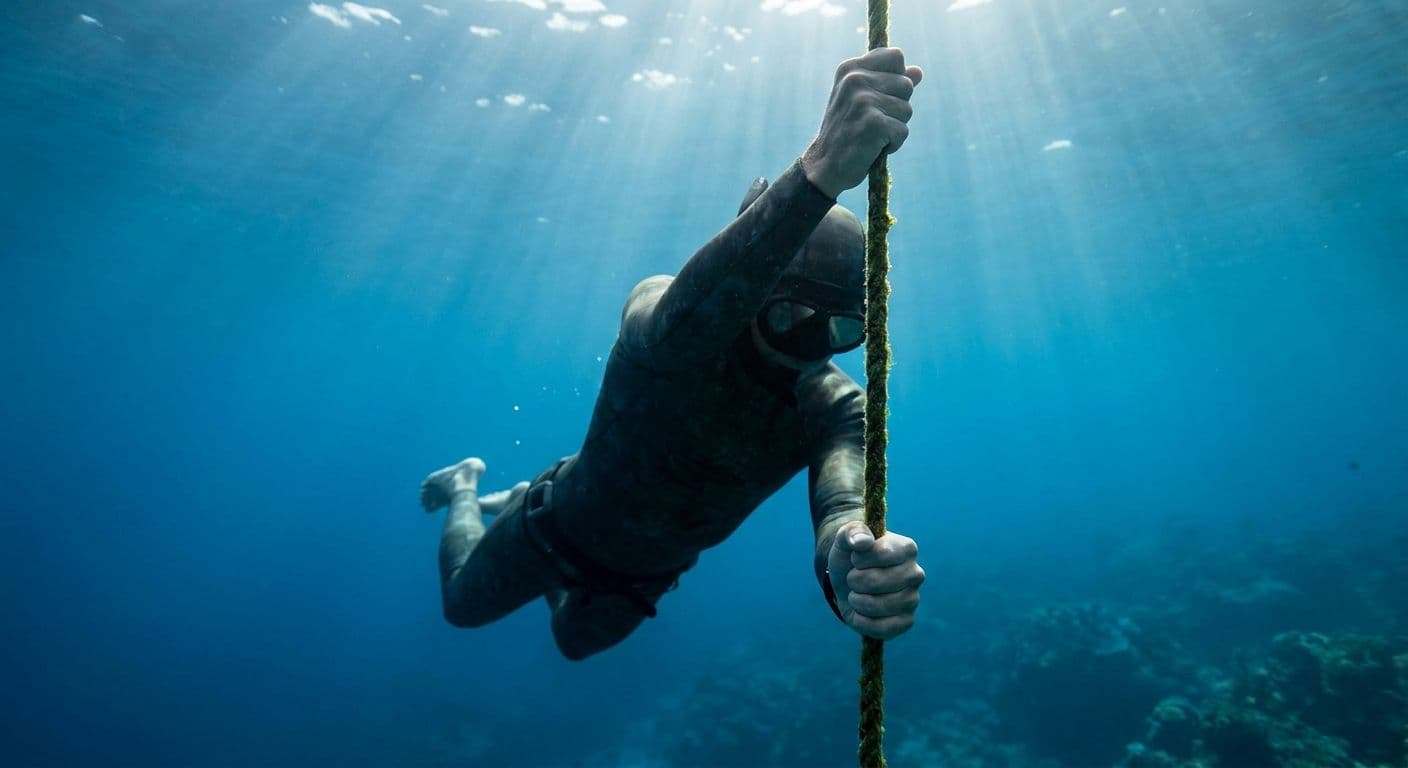
Free Immersion (FIM): Diving by the Rope
No fins, just your hands and a guideline. Free immersion is calm, controlled, and one of the best ways to refine equalization and relaxation at depth.

Advanced Breathe-Up and the Real Dangers of Packing
A calm, efficient breathe-up sets up every good dive. Lung packing, by contrast, is a high-risk technique that demands real caution and expert guidance.
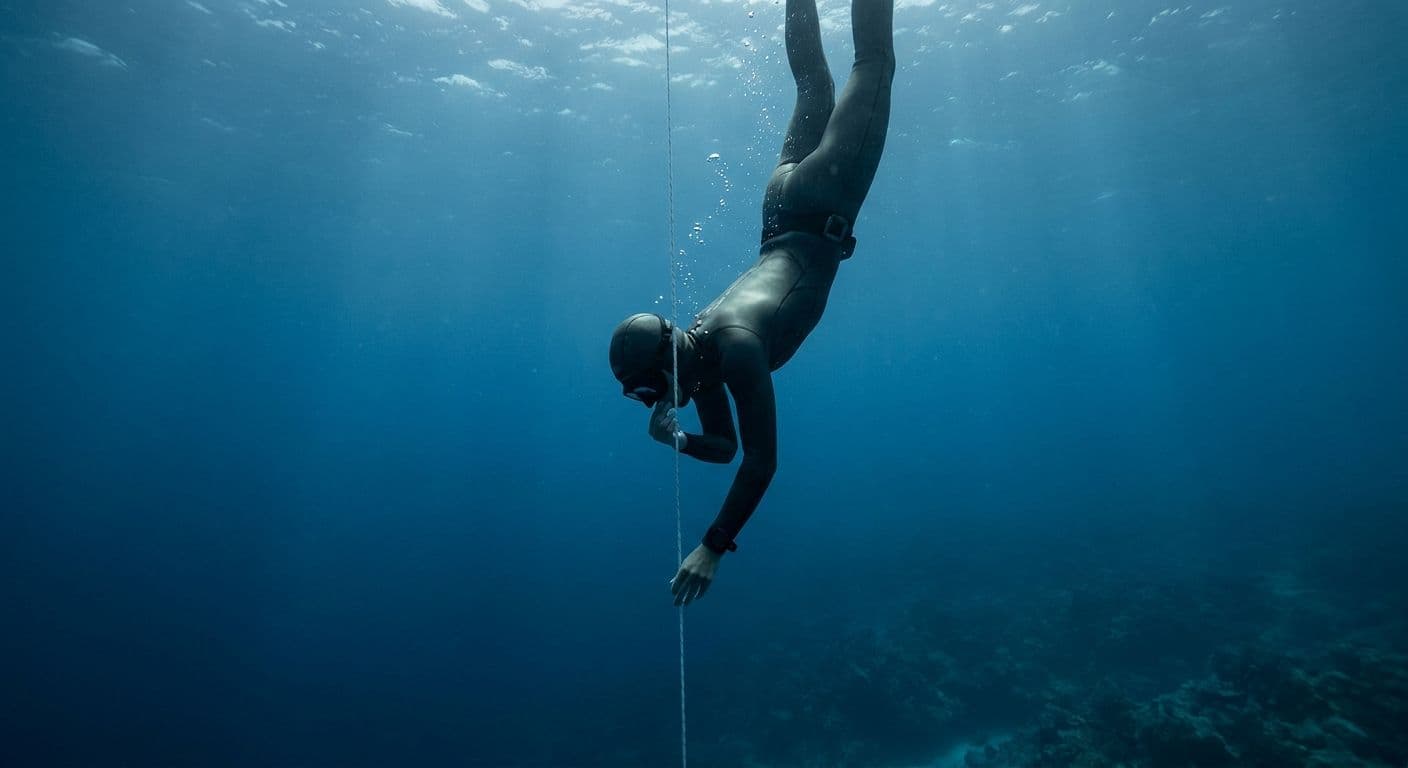
Frenzel Equalization — Video Walkthrough
Watch a clear, step-by-step demonstration of the Frenzel technique — the equalization method every depth freediver needs.

Advanced Frenzel & Equalizing at Depth — Video
Going deeper? This video covers advanced Frenzel and equalizing below residual volume for experienced freedivers.
Safety
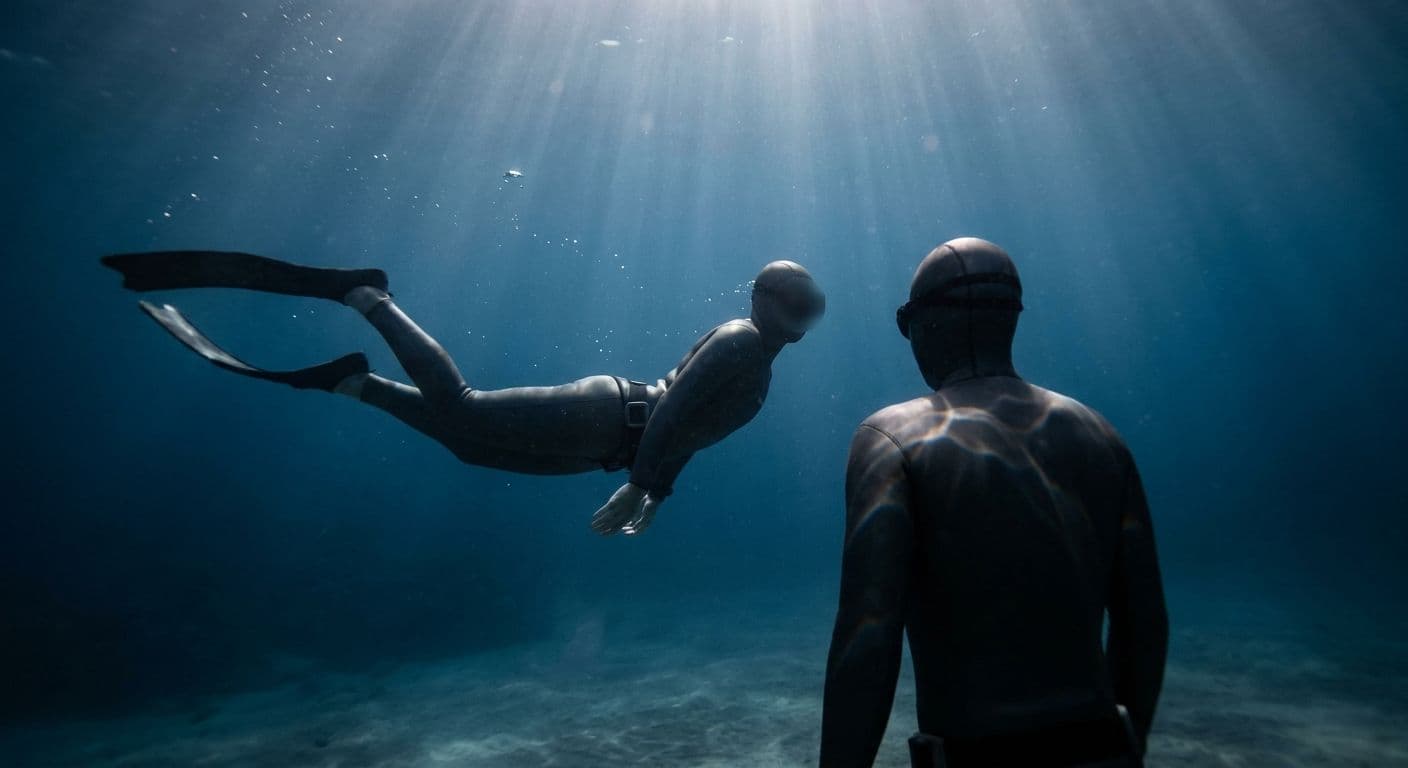
Never Dive Alone: The Golden Rule
The single rule that prevents most freediving fatalities. Learn why a present, trained buddy is non-negotiable for every breath-hold in the water.
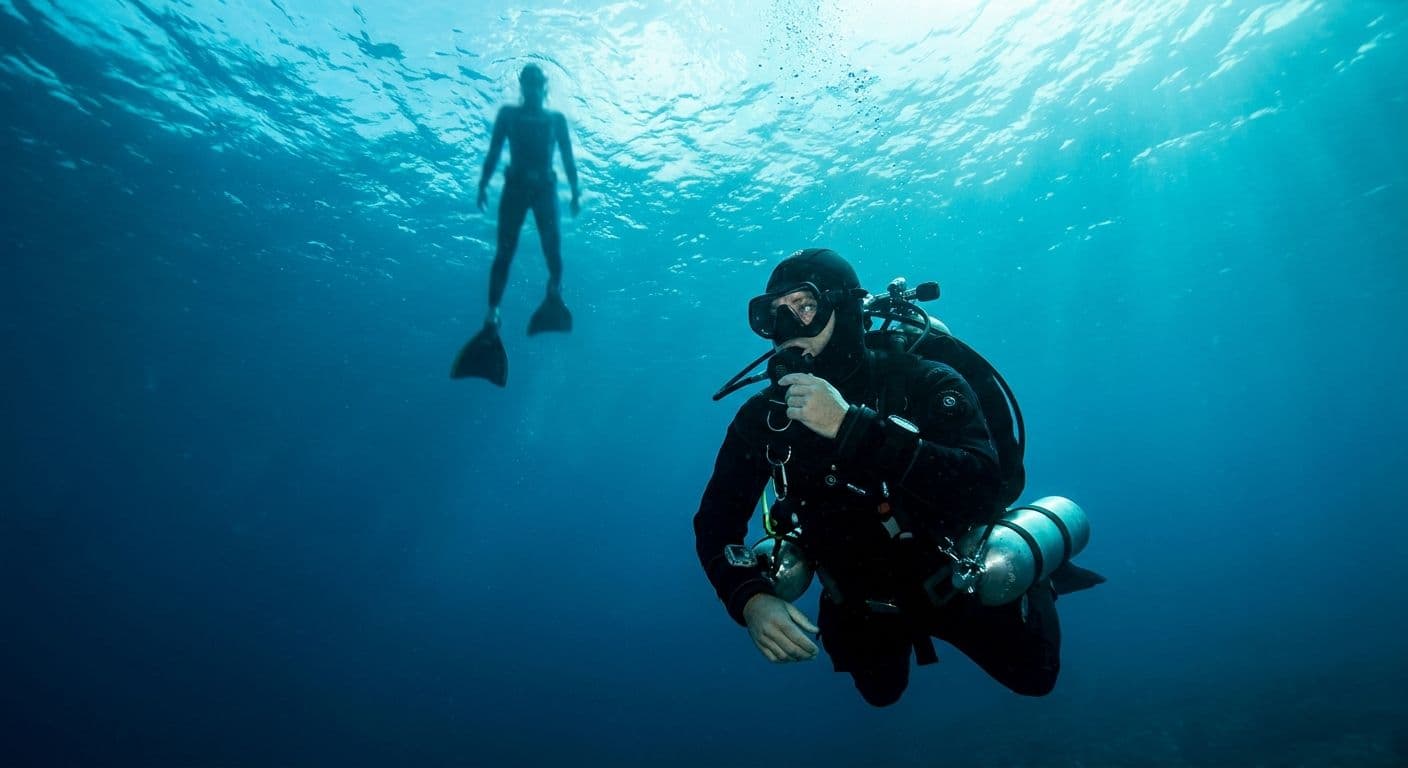
Shallow Water Blackout Explained
Why freedivers can lose consciousness without warning, especially near the surface. Understand the cause so you can avoid it and respond correctly.

Loss of Motor Control: LMC and the Samba
The shaking, jerking warning sign that you pushed too close to your limit. Learn what an LMC means, how to spot it, and how to help a buddy through one.
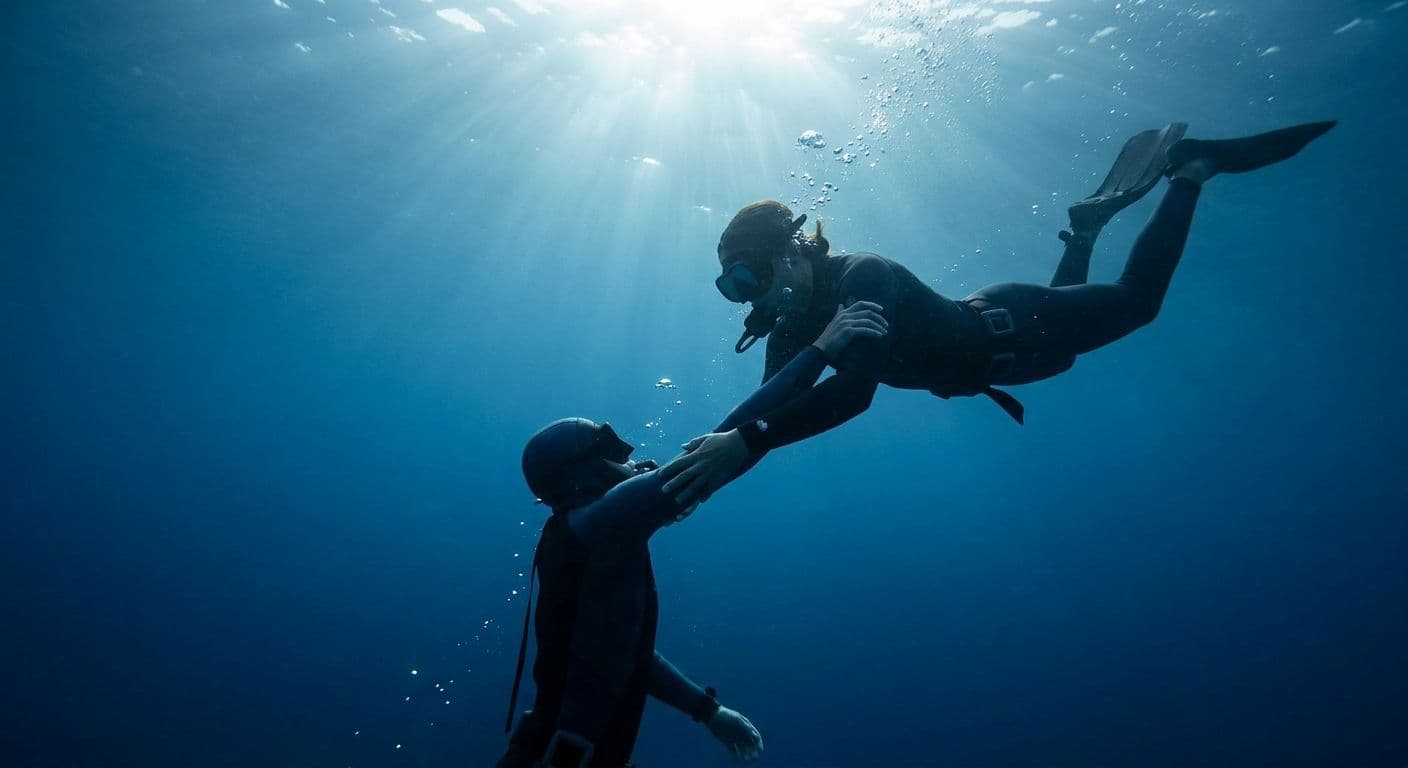
Buddying and Rescue Procedures
How to supervise a diver properly and what to do if they black out. A clear walkthrough of the buddy system and the basic rescue sequence.
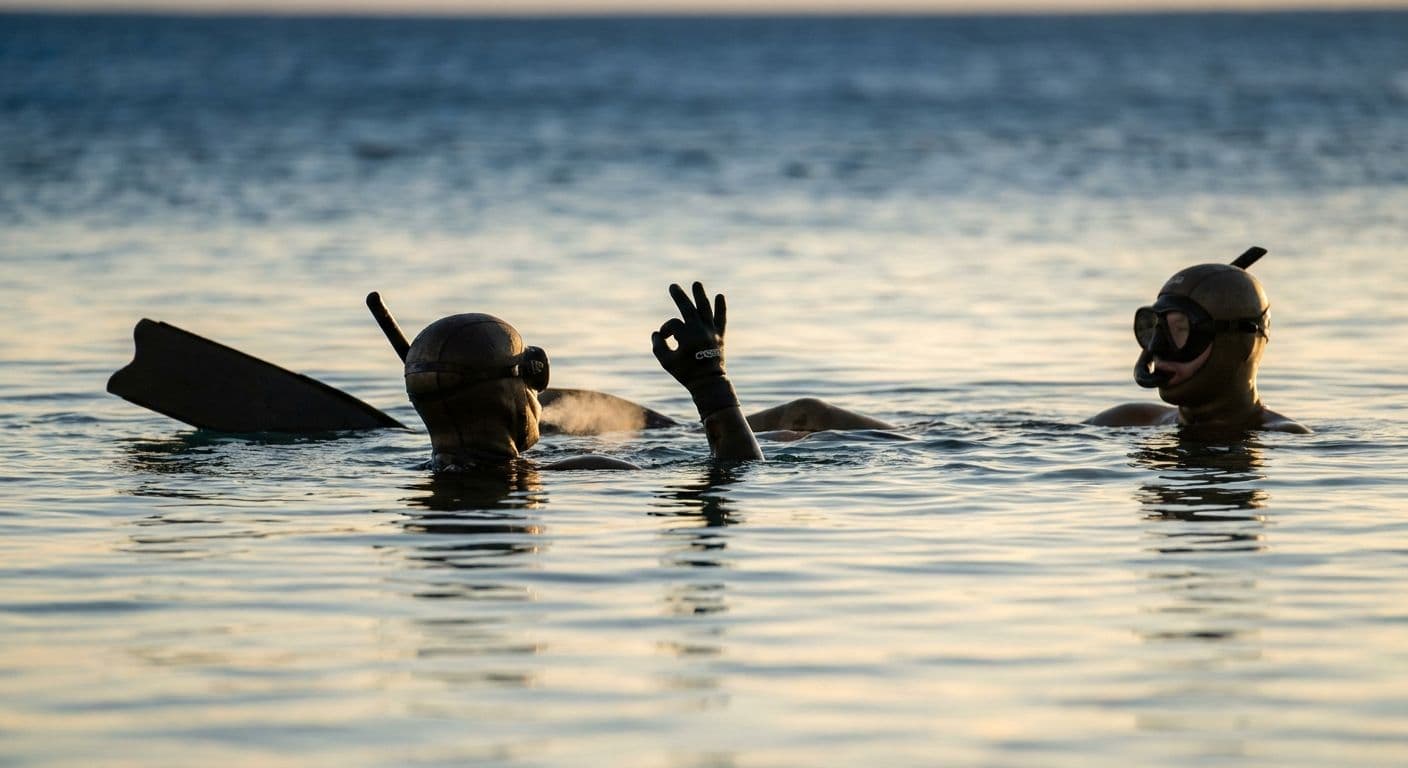
Surface Protocol and Recovery Breathing
The routine you perform the moment you surface to prove you are okay and recover oxygen. Master the breathe-signal-say sequence and recovery breaths.

Lung Squeeze and Pulmonary Barotrauma
What happens when depth pressure injures the lungs, how to recognize the warning signs, and the conservative habits that keep it from happening.

Ear and Sinus Equalization Safety
Equalize early, gently, and often — and know when to turn back. How to protect your ears and sinuses from pressure injury on every descent.
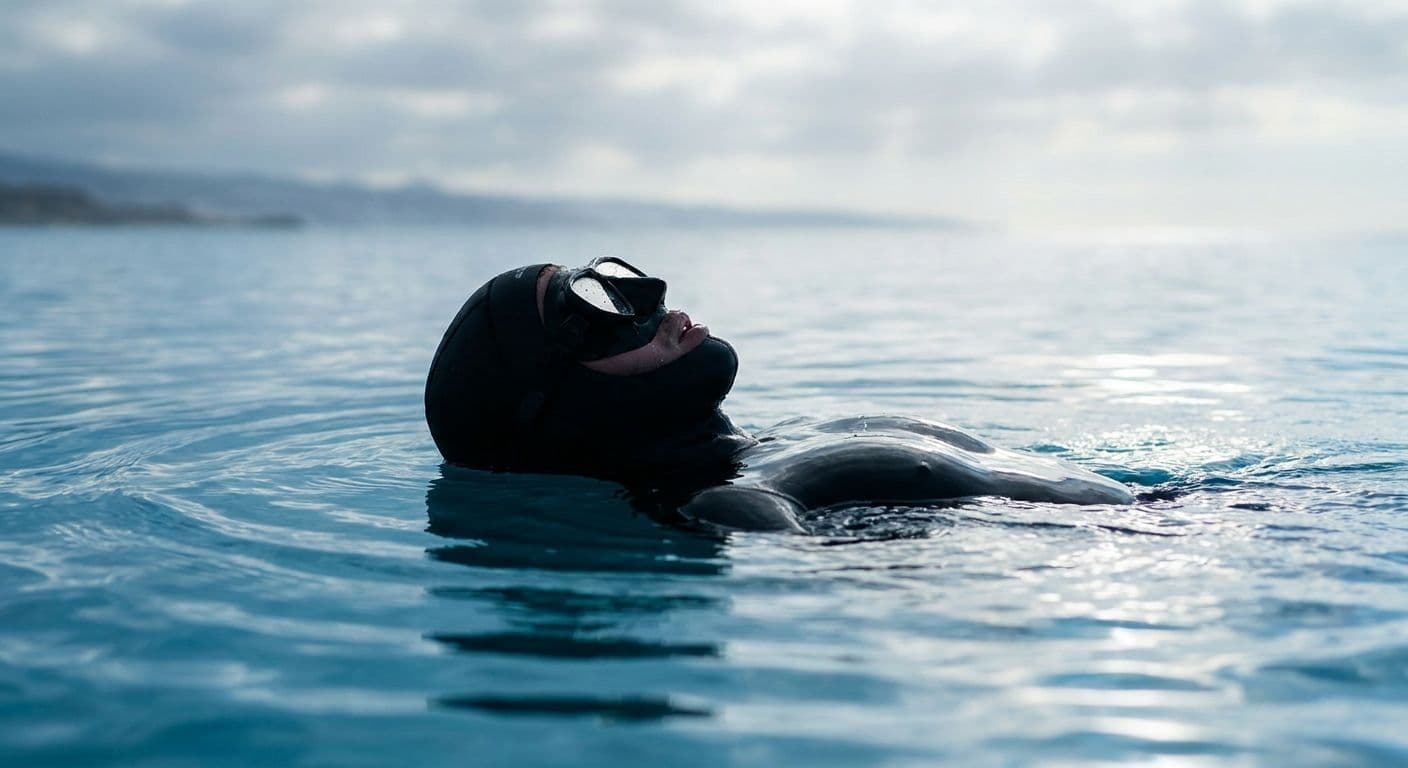
The Real Dangers of Hyperventilation
Over-breathing before a dive feels like it helps but quietly removes your warning system for low oxygen. Learn why freedivers must avoid it.
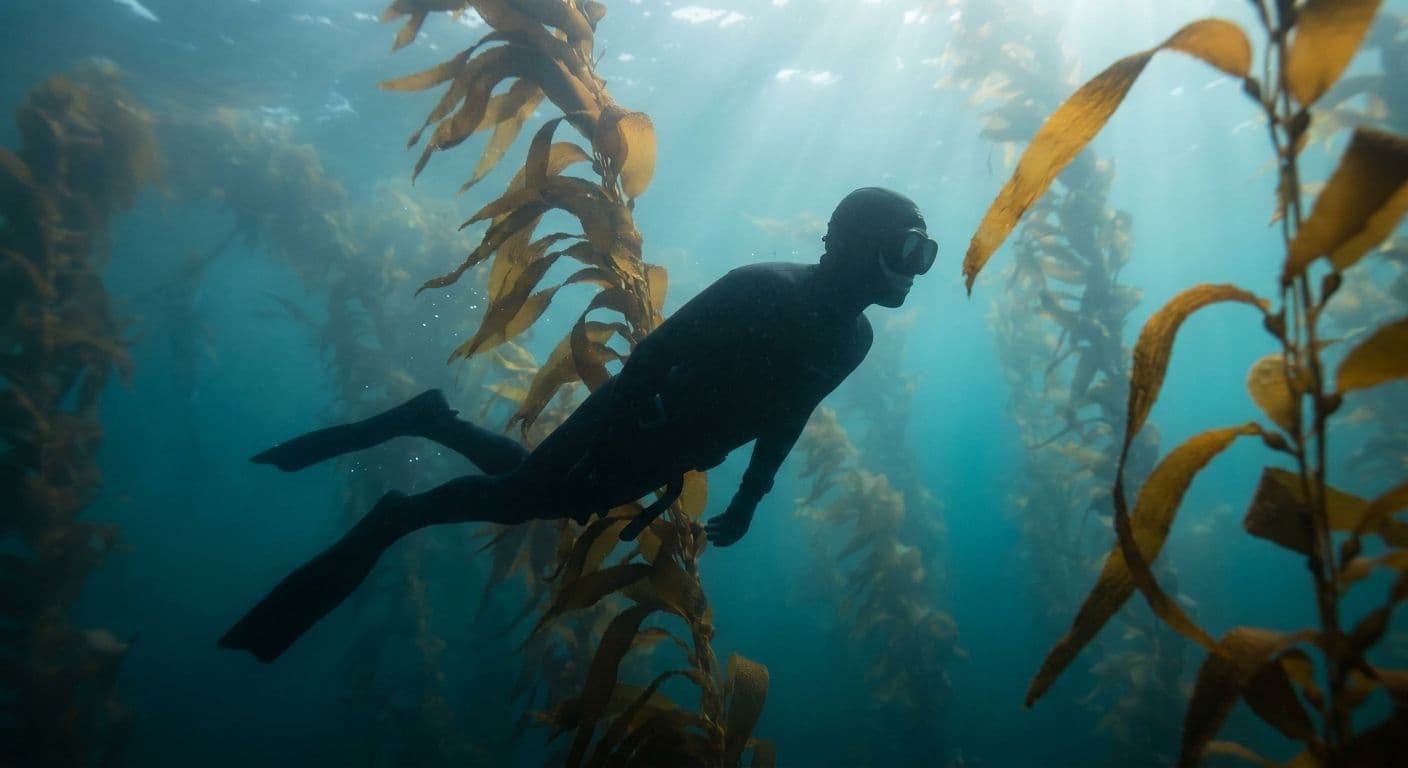
Cold, Currents and Environmental Hazards
Open water adds variables a pool never does: cold, current, boats, and changing conditions. Learn to assess the environment before every dive.
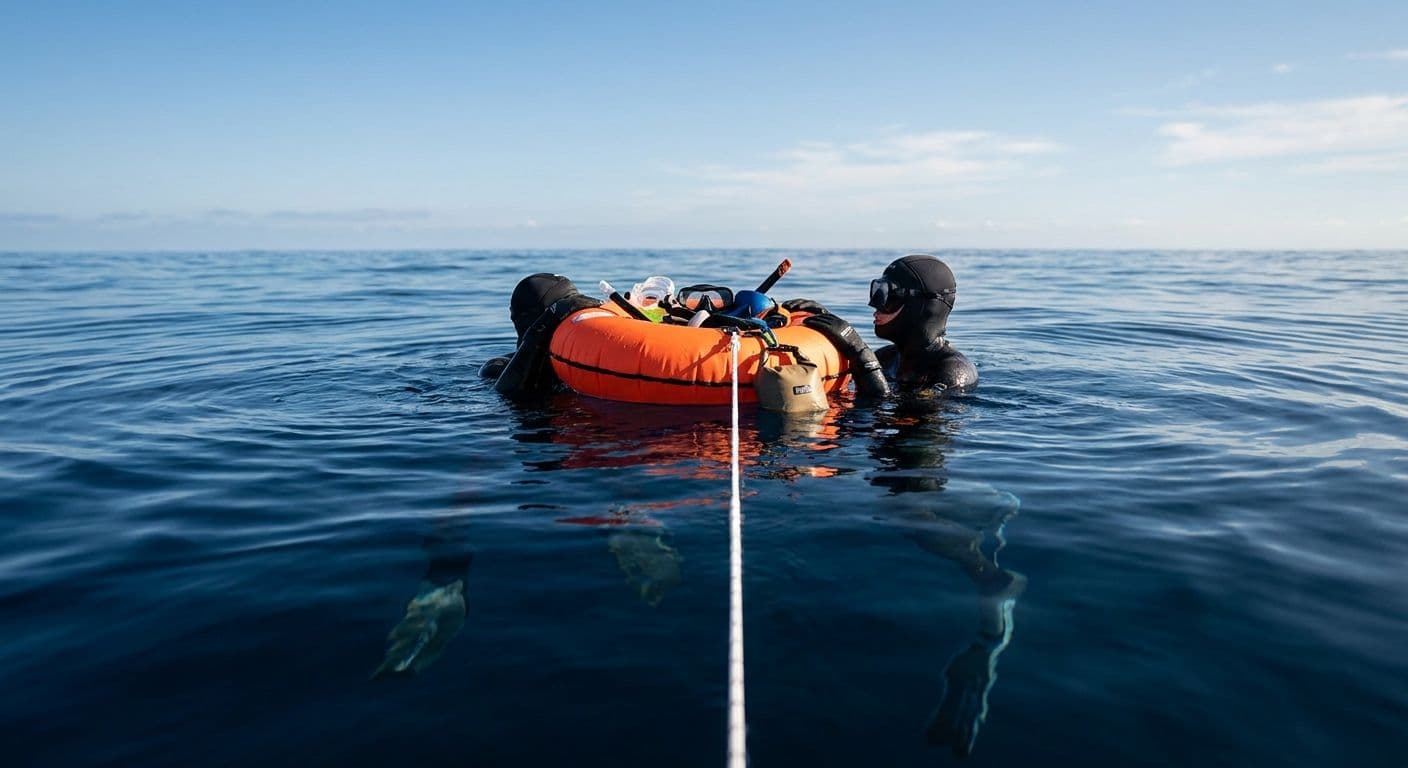
Building a Freediving Emergency Action Plan
A written, rehearsed plan turns panic into action when seconds count. Learn how to build an emergency action plan your whole group knows by heart.
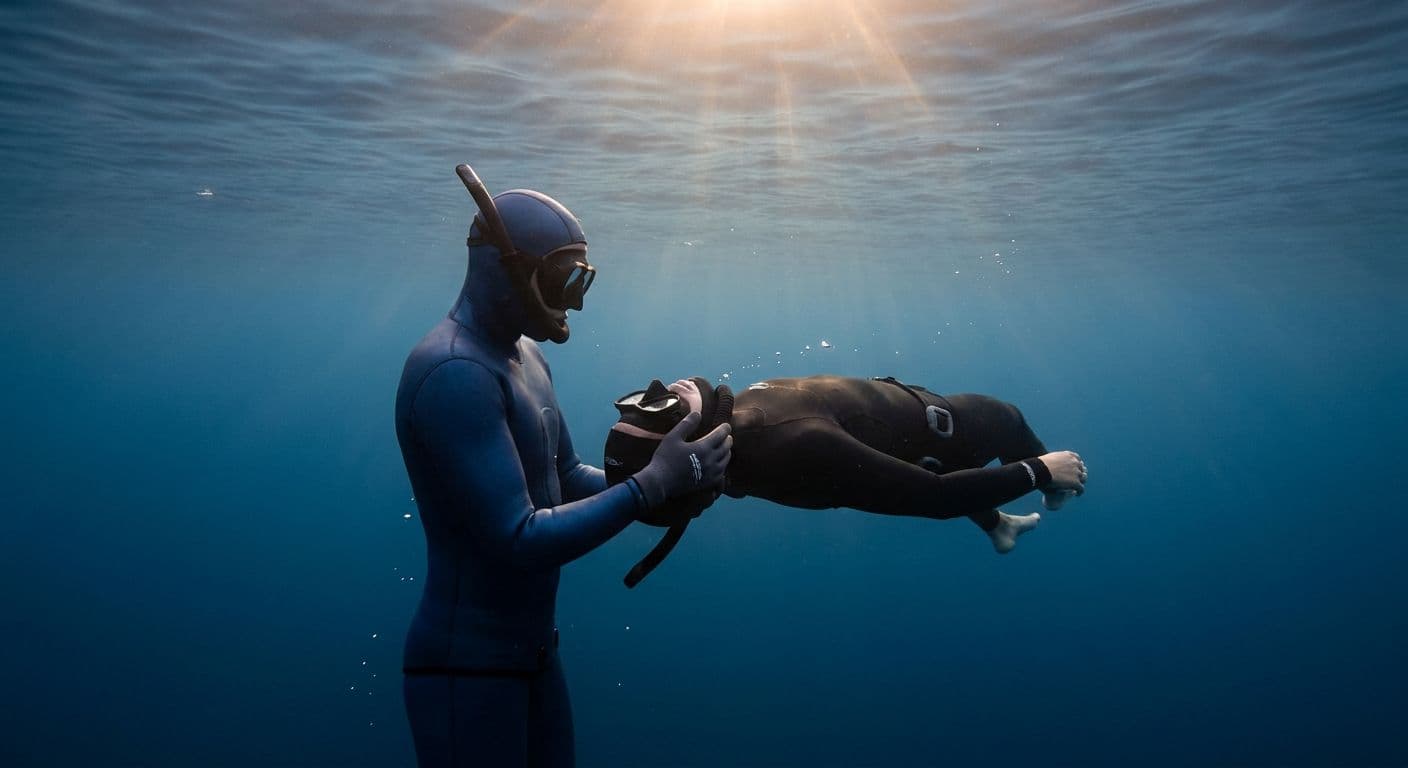
How to Rescue a Blackout — Video
A must-watch demonstration of the blackout rescue every freediver and buddy must know — the tap-blow-talk method.

Freediving Blackouts Explained — Video
The truth about blackouts: why they happen, the warning signs, and how to keep yourself and your buddy safe.
AIDA

What Is AIDA? The Global Freediving Education System
Curious where freediving courses come from? Meet AIDA, one of the longest-running international bodies for breath-hold training and competition.
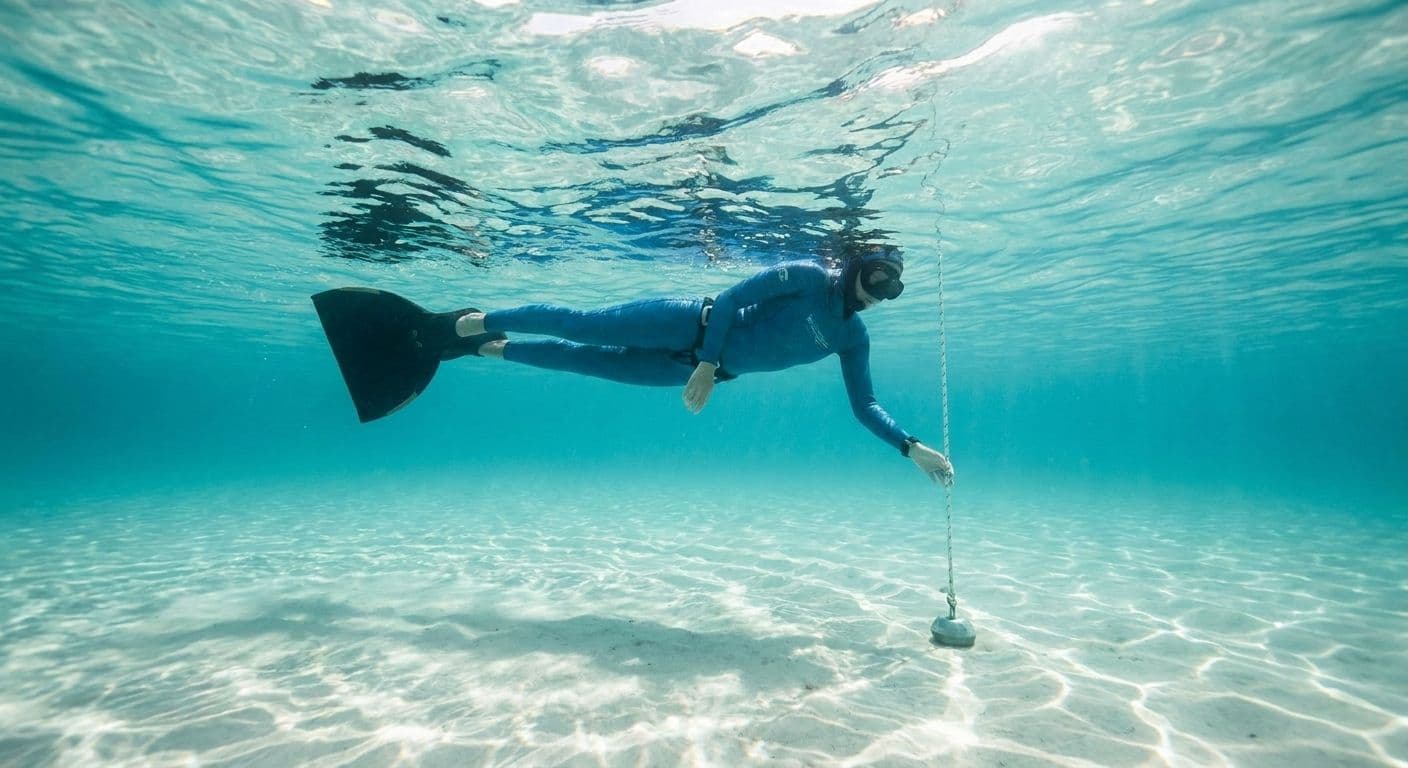
AIDA 1: Your First Freediving Course
Never held your breath underwater on purpose? An entry-level course is a calm, supervised way to discover freediving and decide if you love it.
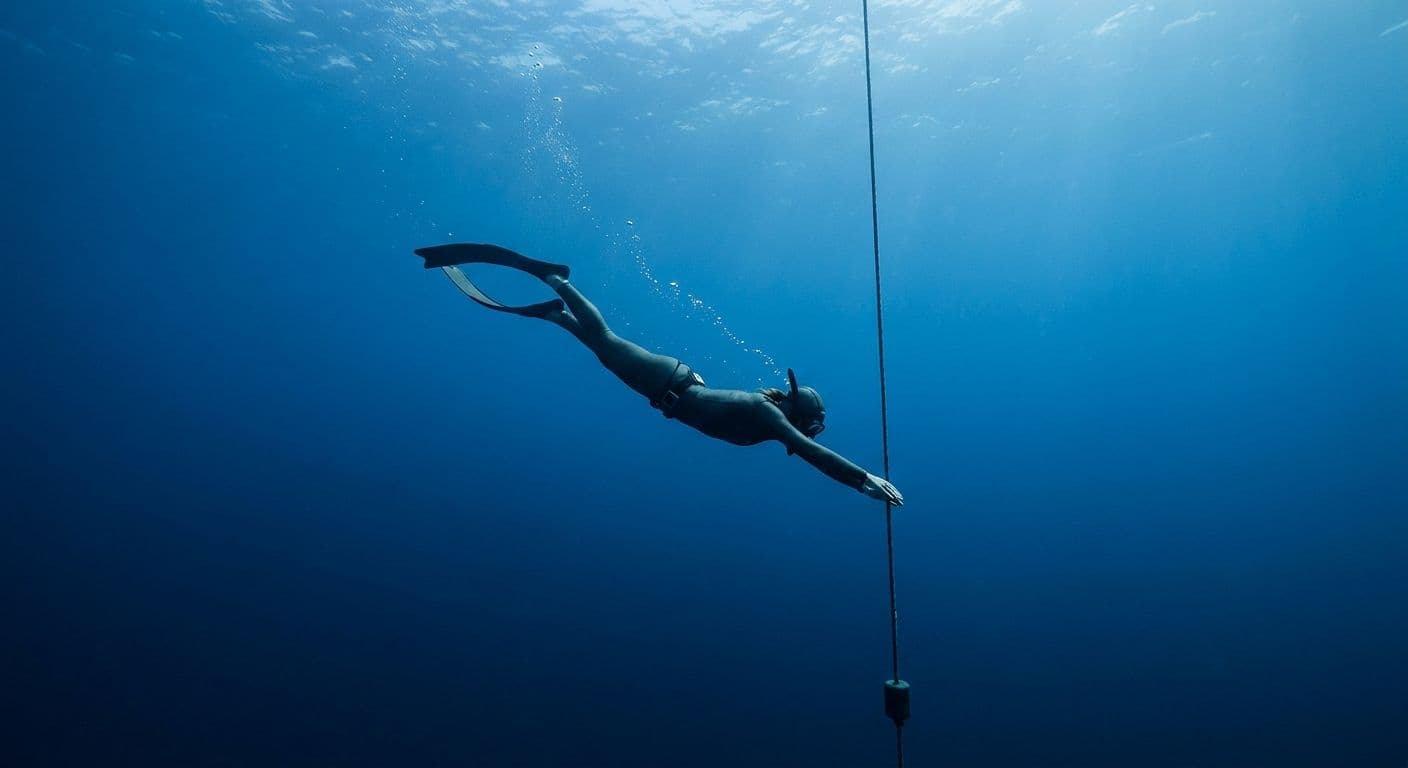
AIDA 2: Going Deeper
Ready to commit beyond an intro? The second level is the real foundation course, where technique, theory, and self-rescue come together.
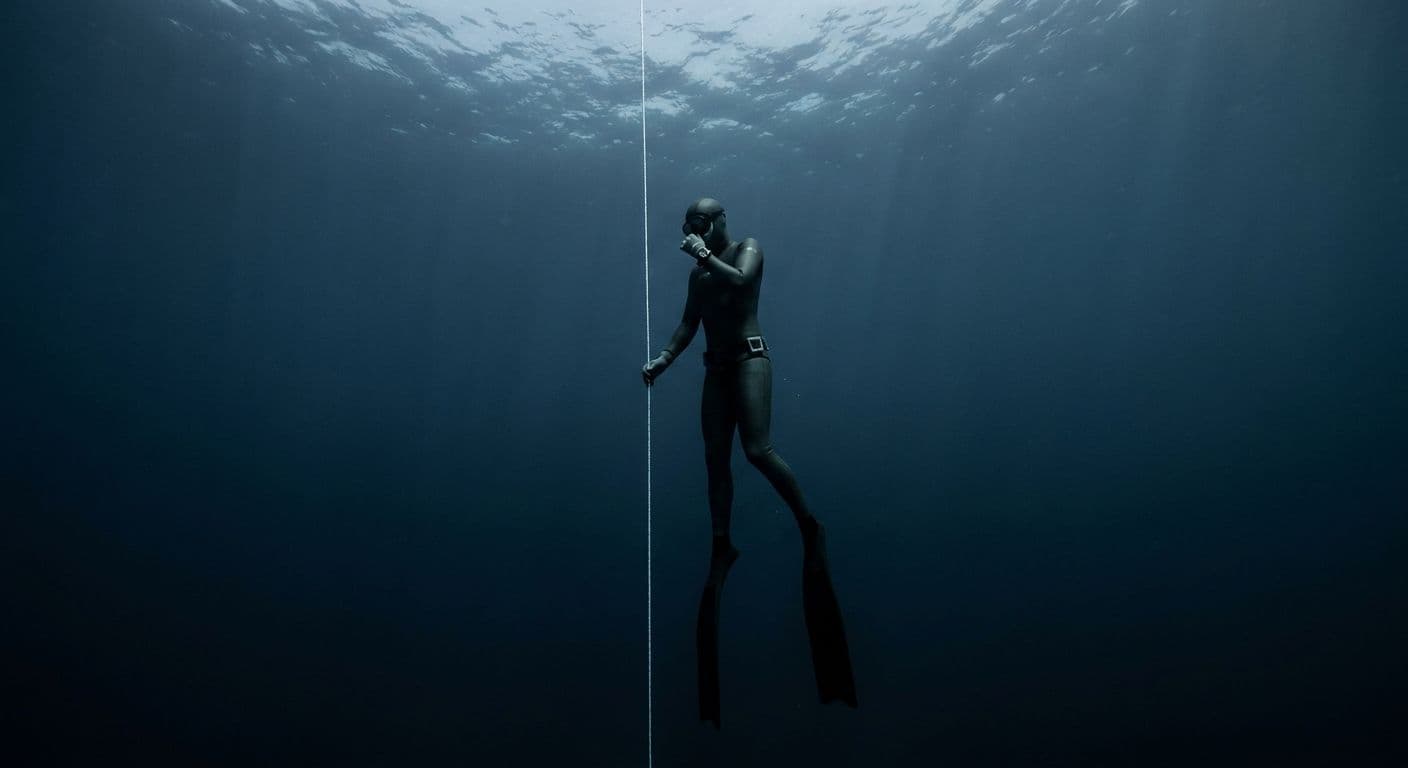
AIDA 3: The Advanced Freediver
The advanced level is where depth, equalization, and self-management get serious. Here is what to expect and how to prepare your mind and body.

AIDA 4 and Beyond: Master Level and Instructor Path
What lies past advanced? The master level and the instructor track refine elite technique, deepen theory, and prepare you to lead others safely.
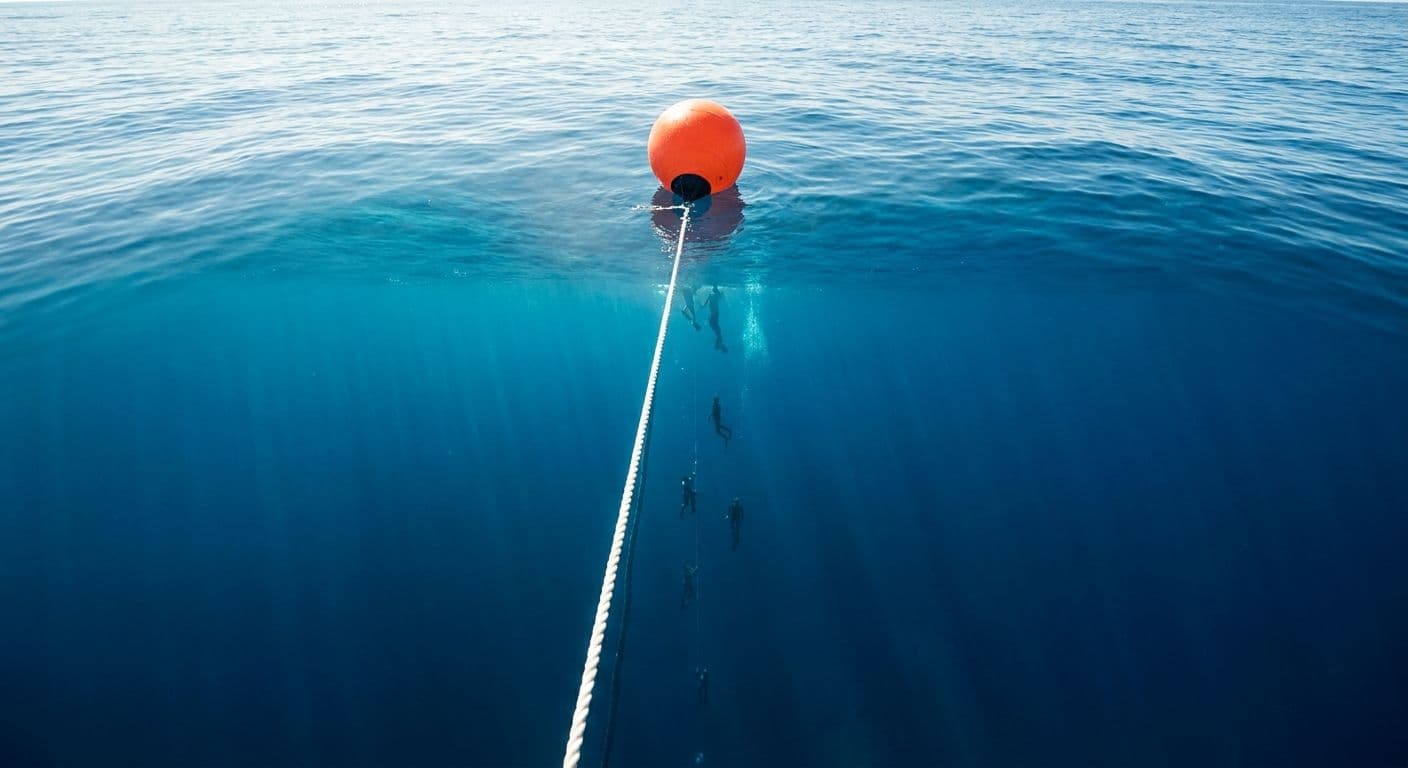
The Competitive Disciplines Explained
Static, dynamic, constant weight, free immersion: competition freediving has several events. Here is what each one measures and why.
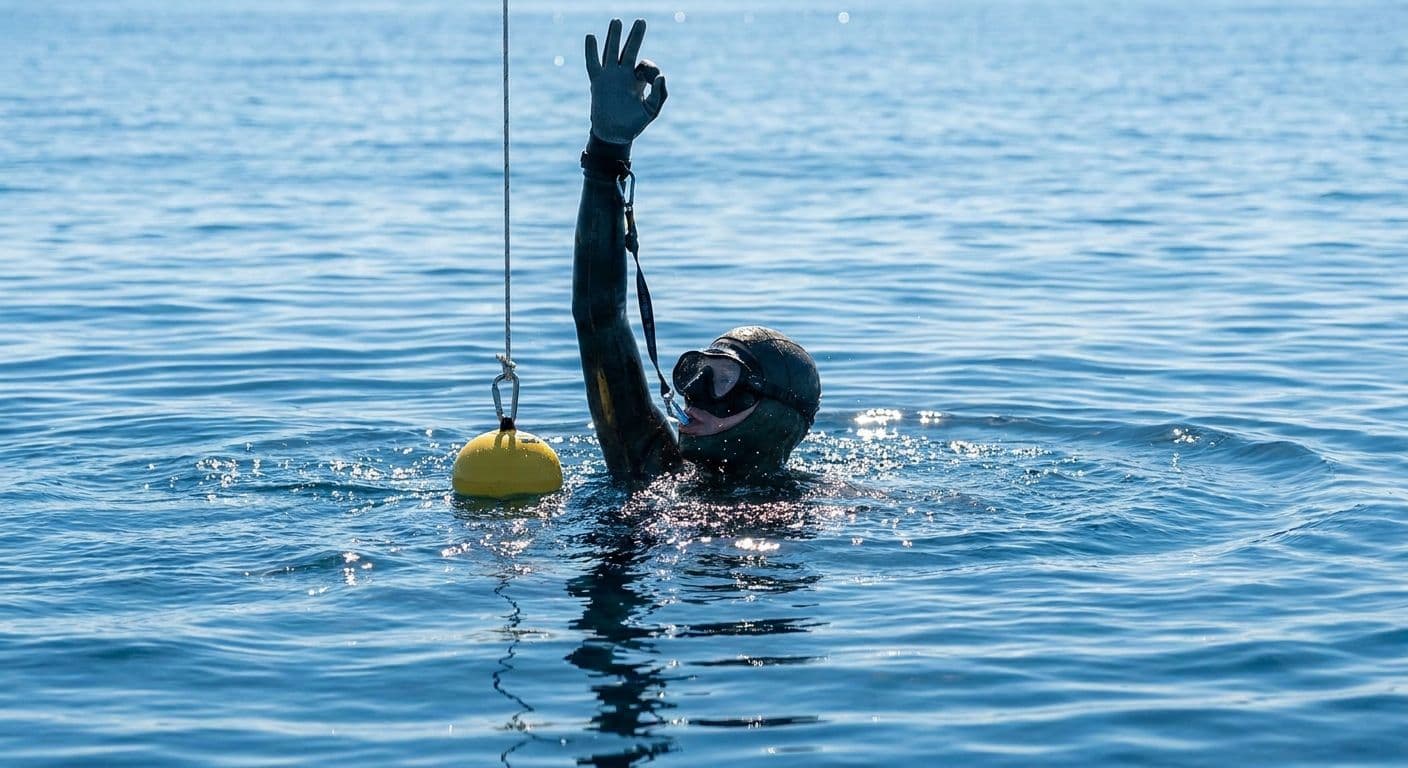
Surface Protocol and the Card System
A dive is only valid if the surfacing is clean. Learn the surface protocol and the white, yellow, and red cards judges use to score it.
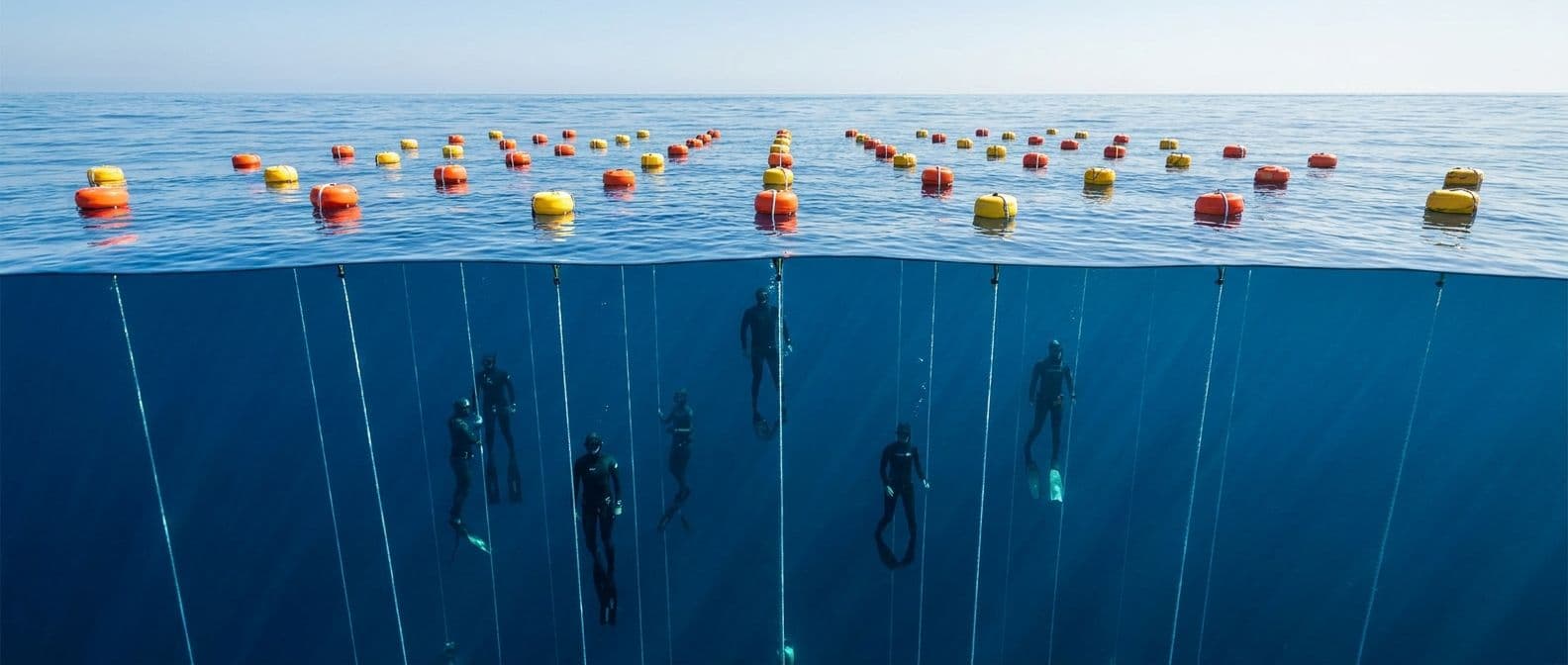
How a Freediving Competition Works
From announced performances to start times, safety divers, and rankings, here is what actually happens during a freediving competition day.
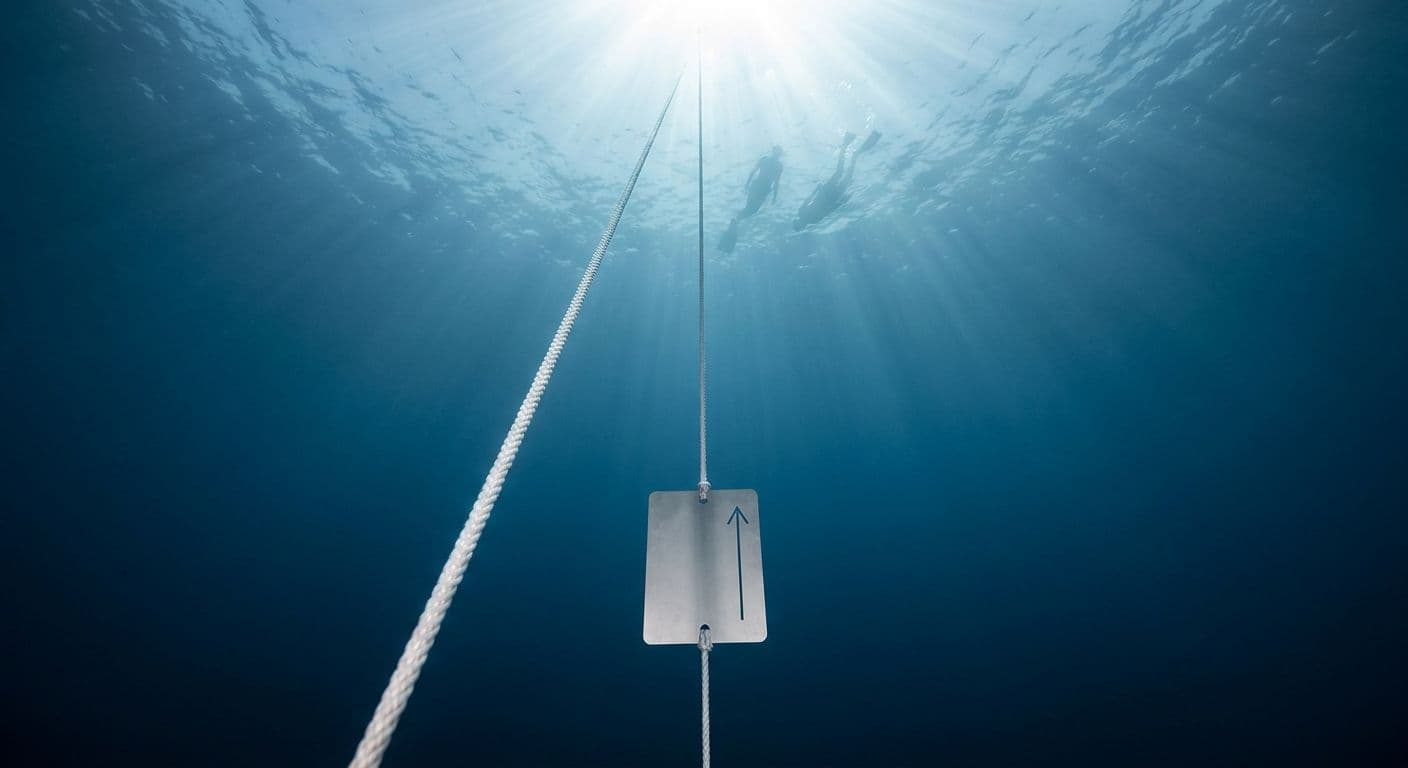
Judging, Records and Ratification
Who decides a dive is valid, and how does a performance become an official record? A look at judges, evidence, and the ratification process.
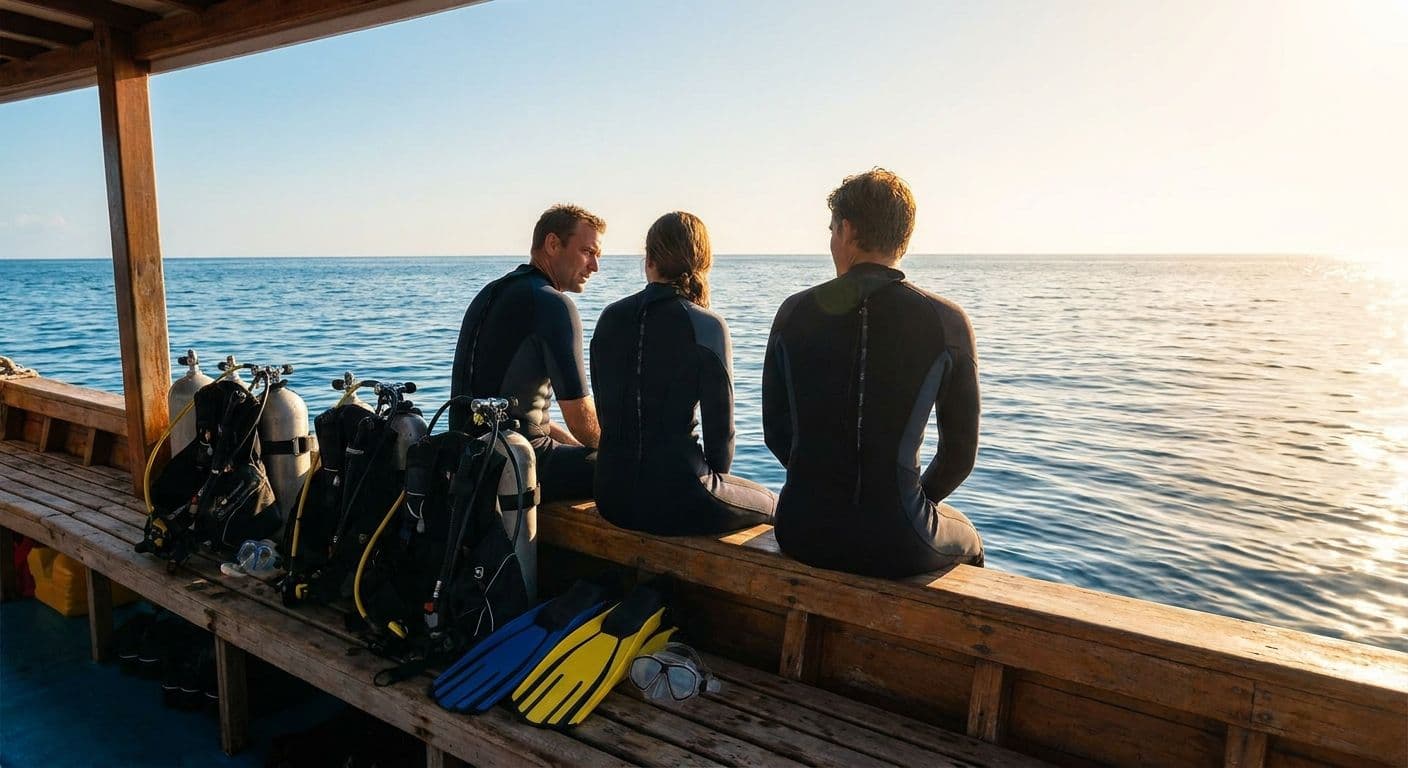
Choosing a Course and Other Agencies
AIDA is not the only path into freediving. Here is how to compare agencies and, more importantly, find an instructor you can trust.